
Did you know you can grow peppers in pots?
Most pepper varieties do great in pots!
Check our list of Best Peppers to Grow in Pots
Add some peppers to your garden this year! Growing peppers in pots is a great way to expand your garden, or peppers if you don't have a garden bed! You can place pots on patios, decks, or balconies to increase your harvest each season. The Easter Pepper, shown above, makes an absolutely stunning centerpiece in a tall ceramic pot in a pollinator garden. The larger the pot, the better, we recommend pots that are at least 5 gallons in size or larger. Larger pots are better as they can hold moisture longer and allow for deeper root systems.
Add some peppers to your garden this year! Growing peppers in pots is a great way to expand your garden, or peppers if you don't have a garden bed! You can place pots on patios, decks, or balconies to increase your harvest each season. The Easter Pepper, shown above, makes an absolutely stunning centerpiece in a tall ceramic pot in a pollinator garden. The larger the pot, the better, we recommend pots that are at least 5 gallons in size or larger. Larger pots are better as they can hold moisture longer and allow for deeper root systems.
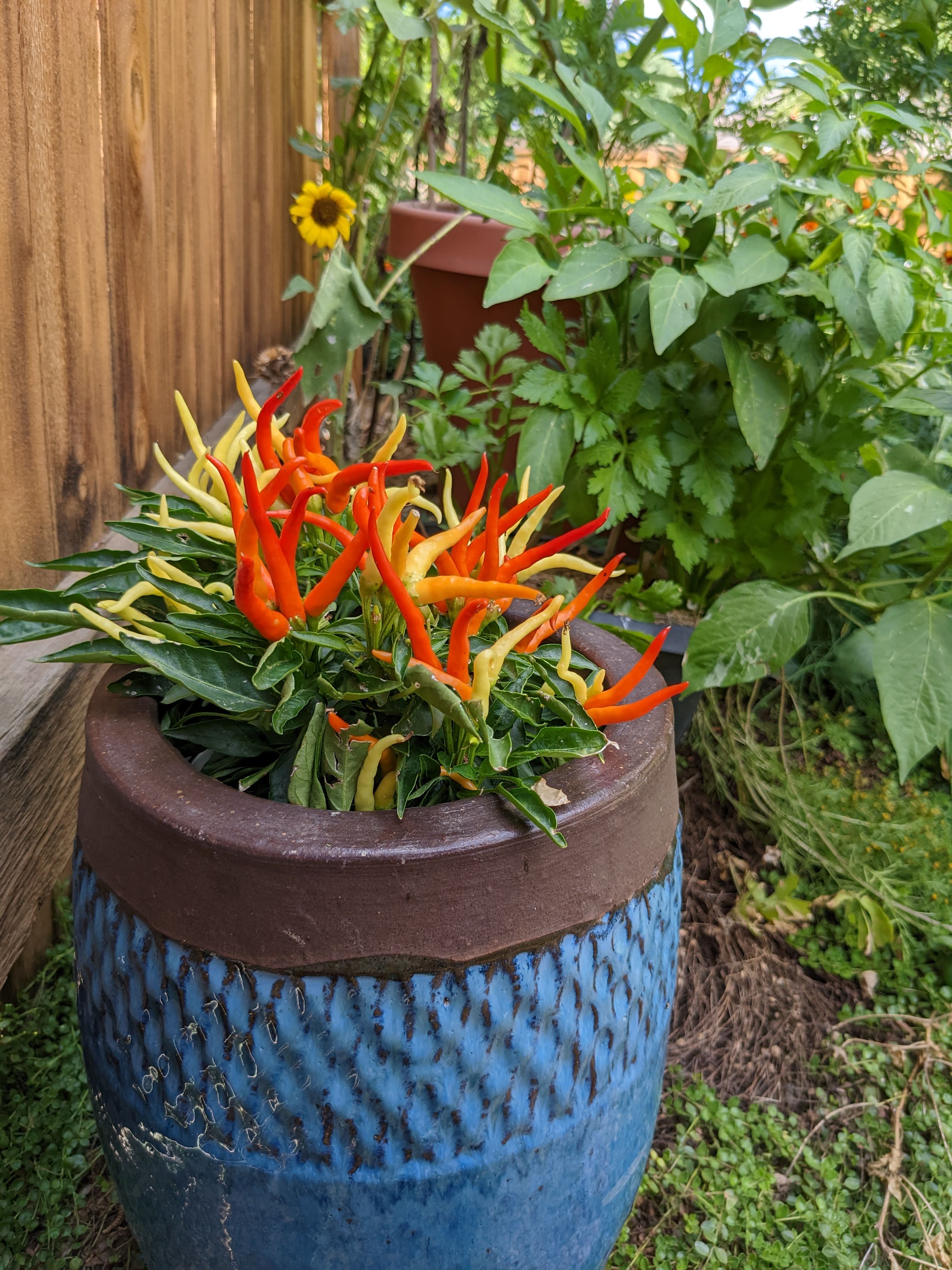
Fire and Ice Peppers are perfect for pots! They really do look like flames as they change in color from pale yellow to orange to bright red. They make a great show, plus they're spicy and hot and great for adding to recipes, salsas and hot sauces.

Growing peppers in pots, even green chiles, is a great way to expand your growing space. Combine them with companion plants like herbs, flowers, bush beans for a productive, lush container garden.

Grow Peppers in Pots for a Longer Growing Season:
One great reason to grow peppers in pots is that they are cold-sensitive plants, so if you have a late spring frost or an early autumn frost, you can bring in your potted pepper plants to a warm sheltered location to keep them from being frozen. Some people keep their peppers growing indoors over the winter months, and keep their pepper plants producing for years.

Conserve Nutrients in your Pepper pots:
Add mulch and bio char to your pots to hold in nutrients!
As nutrients can leach out of pots, especially grow bags, it's helpful to add mulch to conserve them. Add a 2-6" inch layer of grass clippings, straw, or dry leaves on top of each pot, container or grow bag. This mulch helps slow water as it moves into the container, giving soil microbes more time to absorb nutrients before they wash out through the drainage holes or grow bag fabric. Mulch also helps cover the soil which protects it as direct sunlight bakes bare soil which harms beneficial microbes and causes water to evaporate rapidly. Mulch blocks the sun, keeping the soil ecosystem cool and hydrated. And mulch is essentially free if you have access to leaves, grass clippings or straw. As the mulch decomposes over time, it will feed soil microbes and release nitrogen, all helpful for plant growth!
Adding bio char or bone char mixed into the potting mix near the bottom of your pot can also help retain nutrients.
Adding bio char or bone char mixed into the potting mix near the bottom of your pot can also help retain nutrients.

Peppers in pots can be moved to a warm, protected location if an early frost comes in autumn.


These peppers above are in a small simple hoop house with greenhouse film that can be rolled down at night to keep them warm when the temperatures drop below 50˚ F. Without added heat, if the temperatures don't get too cold for too long, you can really extend the growing season – this photo above was taken at the end of October in Denver last year, they had a mild autumn but there were some frosts – but keeping them in the hoop house kept them alive until mid-November!

How long do pepper plants live in pots?
It depends on the variety, but if kept from frost, many pepper plants can live and produce for years! Learn more »

Growing Peppers in Pots can be very rewarding!
Size of Pot for Peppers
You want a larger pot for your pepper plants, at least 10-12 inches deep and 12" wide. Keep in mind, larger pots can be better in hot and dry climates as they don't dry out as quickly, and they are less likely to topple over in the high winds. make sure it has enough drainage holes and quick-draining potting soil, you don't want your peppers to sit in soggy soil!

Best Soil for Peppers in Pots
If growing peppers in pots, you want well-draining POTTING soil, do not use garden soil or top soil in pots, which do not drain well. There is nothing a potted pepper plant dislikes more than having soggy feet. Peppers in soggy wet soil will start turning yellow and wilt, and will eventually perish if you keep them drowning – you'll know they're unhappy! It's best to let the soil dry out slightly between waterings, so that the roots can breath. We find that peppers are drama queens, and, if they get dry, they will also start to wilt, so check the soil FIRST then if it is indeed dry an inch down, go ahead and water again.

Best Peppers to Grow in Containers
Many pepper varieties do well in containers, including these Goat Horn Peppers above. Check out our full lis of the Best Peppers to Grow in Pots »

Growing a potted pepper garden is a great way to expand your gardening space and grow happy peppers. For those in short growing seasons, the pots can be moved to shelter or indoors to protect them from frosts or snow on the fringe of the seasons to prolong your harvests.
Growing a potted pepper garden is a great way to expand your gardening space and grow happy peppers. For those in short growing seasons, the pots can be moved to shelter or indoors to protect them from frosts or snow on the fringe of the seasons to prolong your harvests.

How to Grow Peppers from Seeds
Keeping them warm is the key! For most gardeners, that means starting pepper seeds indoors. Peppers like to germinate around 80-90˚ F so seedling heat mats are helpful to get them started. From there, you want to ensure they have good circulation, good light, and plenty of room for root growth.
Read all of our top tips on how to grow peppers from seeds »
Read all of our top tips on how to grow peppers from seeds »

How to Plant Peppers in Pots
If you've started your pepper seeds indoors, and they've reached 4-6", and when spring has arrived with warm 60˚+ temperatures, it's a good time to transplant your seedlings to the garden. When you have seedlings ready to transplant to a large pot for the summer, it's important to first let them harden off the seedlings. This simply means exposing them to the outdoors gradually, starting in dappled shade, and working up to a full day of sun over a period of a week or so. This let's them get used to the wind and sun. Once they're ready, then you can transplant your peppers into their large pots for the summer. Water them in, and watch them grow!

Fertilizer for Peppers in Pots
Peppers are light feeders, but in pots they will benefit from a regular feeding of a well-balanced, organic fertilizer or compost tea. Avoid high nitrogen fertilizers, they create lush foliage, but not many peppers! Don't overfeed your peppers, it's best to use less fertilizer than too much!

Growing Jalapeño Peppers in Containers
Jalapeño pepper plants are great for pots! Check out all of the varieties of Jalapeno seeds we have in stock, they come in a variety of colors and heat levels to satisfy every jalapeño connoisseur.
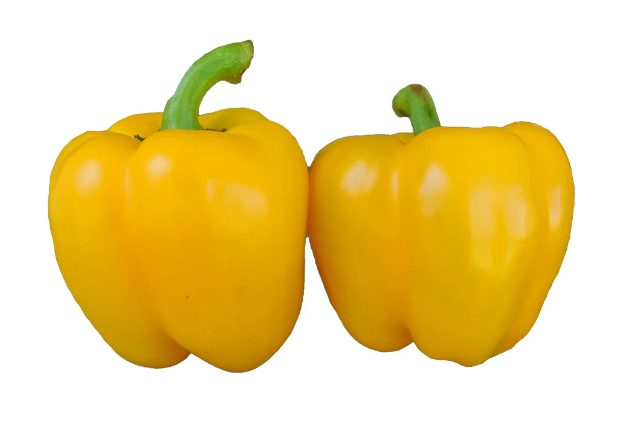
Bell Peppers in Pots
Bell peppers can grow into large plants, so it's best to plant them in large pots or in the garden if you have space. Ideally, your pot should be at least 16+ inches deep and wide and have plenty of drainage holes. Whiskey Barrels are nice and big and can support their Bell Pepper plants' deep root systems. You can also grow mini-bell peppers which are fun in pots and are often easier to grow in various climates.

Easter Pepper, in a blue ceramic pot above
Best Peppers to Grow in Pots
The best peppers to grow in pots and containers include Jalapeños, Shishitos, Aji Amarillos, Cayennes, and Goat Horn peppers.
View all of our best peppers for containers »