
When to Harvest Tomatillos
One of the best indications that your Tomatillos are getting ripe is when you see a few start to fall off the plant. Tomatillos will often fall off when ready, or if you touch them they'll detach easily off of the plant when ripe. When ripe, the green husks also will turn to a pale light brown color and be more papery, and the fruit inside starts to turn more yellow-lime green from the original green color. If it's a purple tomatillo, it will turn more purple as it's ripe. It is best to harvest tomatillos when the fruit completely fills out the papery husk, stretching or splitting it open.

The more ripe Tomatillos are, the sweeter they get. But it's important to harvest them quickly if they fall off the plant to avoid insect and critter damage or rot.

You know your Tomatillos are getting ripe when you see some at the base of your plant that have fallen off - that's means they're ripe and ready! Harvest the ones on the ground quickly before they start to rot or get eaten by critters or insects.

Why are my tomatillos so small?
Sometimes tomatillos won't fill out their husks fully. This tomatillo above has not filled out it's husk, but the yellowing husk indicates it is ripening. The papery husk always grows to its maximum size first, and the actual fruit expands to fill it later. Sometimes if the conditions aren't right, the tomatillos will not grow to their full size. Conditions that affect the tomatillo size includes extreme weather such as consistent hot temperatures above 90˚F, nutrient imbalances (such as too much nitrogen in the soil), or poor pollination. It's important to have pollinators and at least two tomatillo plants within 10 feet of each other for good pollination. Don't worry though, if your tomatillos do not fill out their husks, but still show other signs of ripening, like pale, browning husks and/or yellowing of the tomatillo, they are still perfectly fine to eat.
Tomatillos inside the husks will from green to yellow, and as they turn yellow and become fully ripe, they lose some of their signature sharp acidity and become significantly sweeter and fruitier. Fully ripe yellow tomatillos are still delicious, but you may need to add a splash of lime juice to your salsa verde to compensate for tartness if they have gotten too sweet for your tastes. You can also add more hot peppers to your salsa verde to complement the sweetness, sweet and heat go great together!

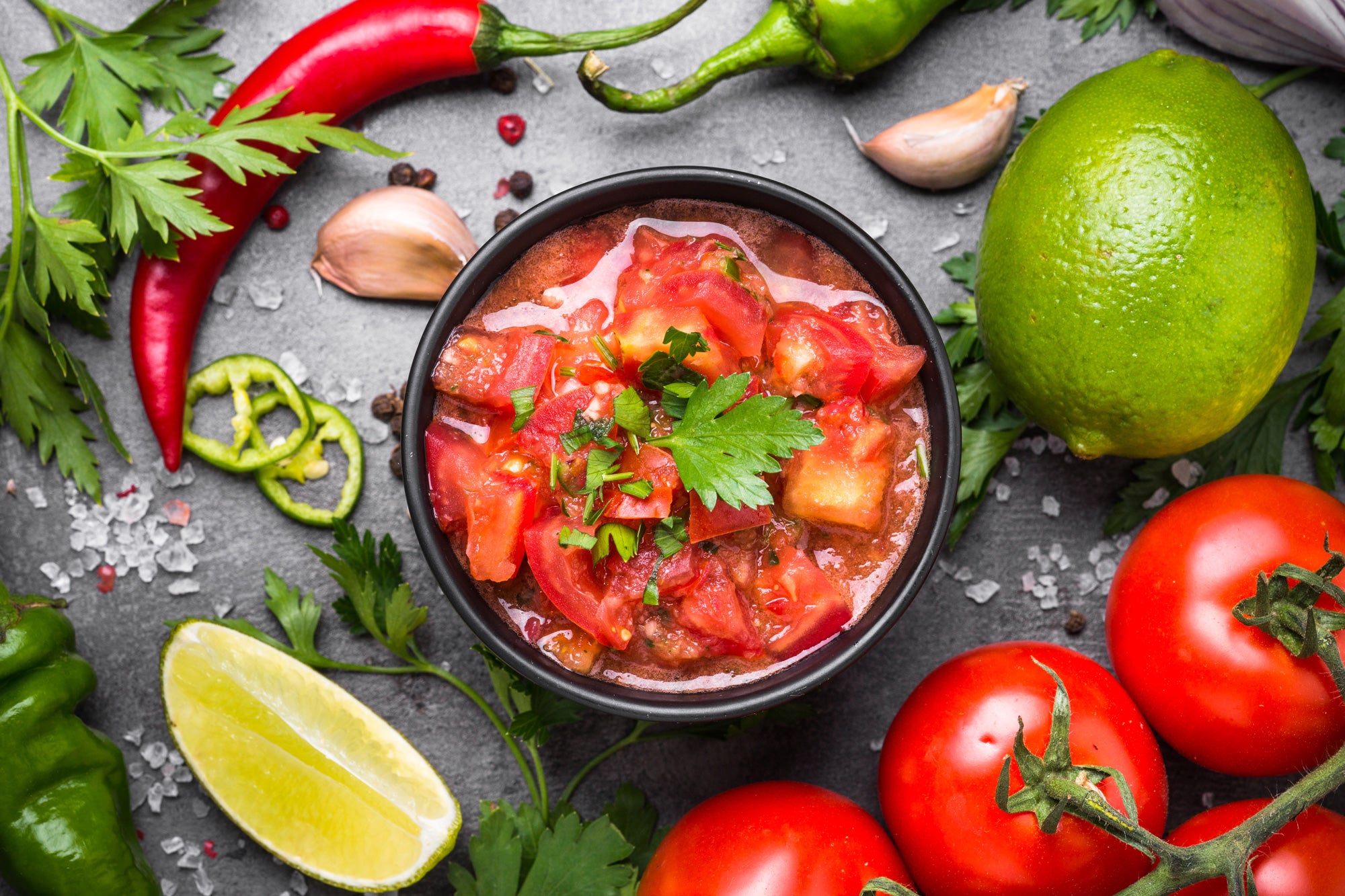
One of our favorite things to do with tomatillos is make salsa verde The unique, tart and sweet flavor of tomatillos shine in this authentic salsa.
What does tomatillo do for salsa?
Tomatillos, especially when roasted, provide the tangy, acidic base for a thick texture that define classic green salsa (salsa verde). We also love to add a couple tomatillos to our tomato salsas to bring some bright & sweet acidic flavors to it. Tomatillos also make great sauces to serve with roasted potatoes, vegetables, fish or chicken. You can also use hot salsa verde to smother burritos or as a sauce for tacos. Add an avocado to a tomatillo sauce or salsa and you'll have a rich and creamy delight that is good on everything or with tortilla chips. 
Did you know you need two Tomatillo plants for the best pollination?
Tomatillos are self-incompatible, so they cannot pollinate themselves. Unlike tomatoes, tomatillo plants' flowers cannot be fertilized by pollen from the same plant. So it's important to plant at least two tomatillo plants near each other (ideally within 10 feet) to achieve cross-pollination to produce fruit.

North American native Digger Bee, above, pollinates a Tomatillo plant
This means it's also very important to have an organic garden – avoid using pesticides or herbicides in order to protect the health of your pollinators so they can do their jobs. Honeybees, native bees, butterflies, hoverflies and other flies can all help move the pollen around. Bumblebees, sweat bees, leafcutter bees, digger bees, mining bees and other native bees especially are great to have for tomatillo (and pepper and tomato) pollination, as they perform buzz pollination, a special technique that honeybees cannot do, and this buzzing is more effective at pollinating nightshades as well as many other vegetables and fruits.
If bees are missing from your yard, you can use a cotton swab to gently rub the inside of flowers on the first plant, then the second plant, and repeat back and forth. But that's a lot of work, so be sure to grow organically, avoid pesticides and herbicides, and plant lots of flowers, especially native plants, around your tomatillos to attract and sustain pollinators.

Echinacea is a great flower to grow as it is a North American native flower, and it attracts important pollinators to your garden such as the bumblebee, above.
Attract Pollinators to your Tomatillos:
For native bees, it's important to provide a continuous food supply with season-long rotating blooms - especially those of native plants. It is also important to have undisturbed nesting sites in the ground and leave stems, twigs, and leaves in your landscapes.
Plant more flowers for greater harvests!
View all of our best Seeds for Pollinators »